
Unicaja Banco is the result of the merger of several financial institutions in southern Spain, including the historic Monte de Piedad de Málaga, Caja Jaén and, more recently, Liberbank. That history has left on its balance sheet a portfolio of repossessed property with a very specific geographical concentration: Andalusia (especially Málaga, Granada, Jaén and Almería), Extremadura, Castilla-La Mancha and, through the integration of Liberbank, parts of Asturias and Cantabria too; the assets in Castilla y León came with EspañaDuero, which Unicaja absorbed in 2018.
For investors operating in those areas, Unicaja's catalogue is a source of assets that deserves systematic attention. The discounts are real, the financing terms can be favourable with the bank itself, and the buying process, although it has its own particularities, is manageable with the right information.
How Unicaja's asset portfolio is managed
Unicaja manages its repossessed property mainly through its property subsidiary and through agreements with external servicers. Unlike some banks that fully outsourced the management of their assets to large servicers, Unicaja has kept part of its portfolio under internal control, which means that some assets are marketed directly by the bank and others through intermediaries.
The ways into Unicaja's inventory are:
- The bank's property portal: The property section of Unicaja's official website (unicajabanco.es), where it publishes part of its portfolio of repossessed assets with a direct sale price. It isn't always fully up to date, but it is the most direct starting point.
- Idealista and Fotocasa under the bank's name: Unicaja publishes some of its assets on the general property portals, identified as a bank seller. Filtering by the seller "Unicaja" on these portals lets you see part of the inventory.
- Approved estate agencies: Unicaja has agreements with local agencies that market its assets exclusively or in collaboration. These agencies have access to assets that aren't on the public portals. Contacting the highest-volume estate agencies in the provinces where Unicaja's portfolio is most concentrated (Málaga, Granada, Jaén) is a complementary way in.
- The bank's property asset department: For volume purchases or investors interested in several assets, some banks offer direct contact with their asset department. In Unicaja's case, the larger branches in its core provinces can put you in touch with the asset management team.
The provinces with the highest concentration of assets
The geography of Unicaja's portfolio reflects its historical origin as a network of southern savings banks. The provinces with the highest density of assets:
- Málaga province: The most representative. Assets in the city of Málaga, on the Costa del Sol (Marbella, Estepona, Fuengirola, Torremolinos), in the Axarquía, the Serranía de Ronda and the inland towns. A very varied mix of property types: holiday apartments, residential flats, houses, commercial premises and even plots of land.
- Granada and Almería: The second most important concentration. In the city of Granada, its metropolitan area (Armilla, Albolote, Maracena), the Costa Tropical and the Alpujarras. In Almería, both in the city and in the towns of the Poniente Almeriense (the west of the province).
- Jaén, Cádiz and Huelva: A smaller but still present portfolio, especially in provincial capitals and large towns.
- Extremadura (Cáceres and Badajoz): A legacy of the former Caja de Extremadura. Assets in the provincial capitals and in medium-sized towns such as Mérida, Plasencia or Don Benito.
- Asturias and Cantabria (the Liberbank legacy): Assets that came with the merger, in smaller volume than in Andalusia. Oviedo, Gijón, Santander and coastal towns in both regions.
Direct financing terms with Unicaja
One of the historical advantages of bank-owned property is that the selling bank can offer preferential financing terms on its own assets. Unicaja is no exception. The exact terms vary with the buyer's profile and the specific asset, but the usual ranges for buying the bank's own assets are:
- Financing of up to 100% of the sale price (or up to the valuation, whichever is lower) for buyers with good creditworthiness. This is especially relevant because in the general market banks barely reach 80%, and 70% for second homes.
- Discounted interest rates on its assets, as a sales lever. Not always, and you need to compare them with other offers on the market, but on certain assets and at certain times of the year the rates offered can be comparable to or better than the market's.
- Reduced or waived arrangement fees on some assets that have been in the portfolio for a long time, where the bank is in more of a hurry to sell.
- Repayment terms of up to 30 years for individual buyers who meet the requirements.
It's important not to assume that Unicaja's financing on its own assets is automatically the best option. You need to compare it with other bank offers or with a mortgage broker. But it is a starting point for negotiation that the conventional resale market doesn't offer.
How to analyse a Unicaja asset before making an offer
Bank assets in general, and Unicaja's in particular, have specific features that investors must check:
- Occupancy status: Some assets are vacant; others are still occupied by the original debtor or a tenant. The bank's listing may or may not make this completely clear. Always check by visiting the property before signing anything, especially with assets on the Costa del Sol, where occupancy situations vary widely.
- Actual physical condition: The photos on the bank's portals don't always reflect the property's current condition, especially if it has been in the portfolio for a while. A property left empty for 3 years in a humid coastal area can have damp, problems with the plumbing and electrics and deterioration that isn't obvious from the listing.
- Owners' association debts: The buyer of a bank asset can inherit debts to the comunidad de propietarios (the owners' association) left by previous owners. The law limits the buyer's liability to the last 3 years and the current year (article 9.1.e of the Ley de Propiedad Horizontal, the Spanish law on owners' associations), but you need to check it on the association's certificate.
- IBI and municipal charges: Check that the bank has paid the IBI (the annual municipal property tax) for recent years. If the deed is signed without evidence that the IBI is up to date, the buyer may be required to pay it.
- The valuation: If the bank finances 100% of the sale price but the sale price is already a market price (with no real discount), the deal has no margin. Always check the asset's real market value by comparing it with equivalent flats in the same area, whatever the bank's valuation says.
Negotiating the price: how much room there is
Bank assets aren't always bought at the published price. The room for negotiation depends on several factors:
How long the asset has been in the portfolio is the most important factor. An asset that Unicaja has been trying to sell for 3-4 years has much more room than one that has just come in. Assets with declared complications (they need renovation, have owners' association debts, are in a hard-to-reach area) also have more room, because demand is lower.
The time of year matters too: the end of the year (closing the books and hitting sales targets) and the third quarter (with the pressure to reduce stock before year-end) are usually when the bank accepts better terms. A discount of 5%-15% on the published price is a common range for mature assets in the portfolio with good reasons to ask for a reduction.
Related resources: For a complete overview of the bank-owned property market in Spain and the main servicers, the guide to bank repossessions is the starting point. If you're interested in the Costa del Sol as an investment area where Unicaja has a large portfolio, the article on the best cities to invest in analyses Málaga in depth. For assets with 100% bank financing, the article on 100% financing on bank-owned flats explains how to make the most of this mechanism.
Bank repossessions available right now
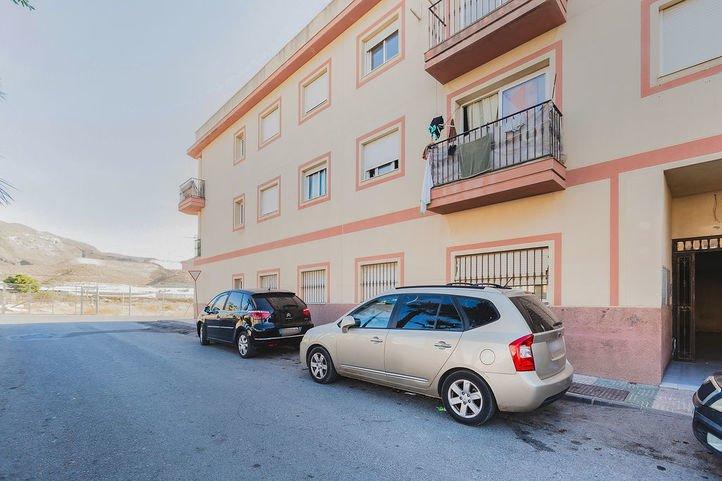
Unicaja sells through its own portal and isn't on RadarPro. These are bank-owned flats from other servicers, each with its discount on the market price in its area.
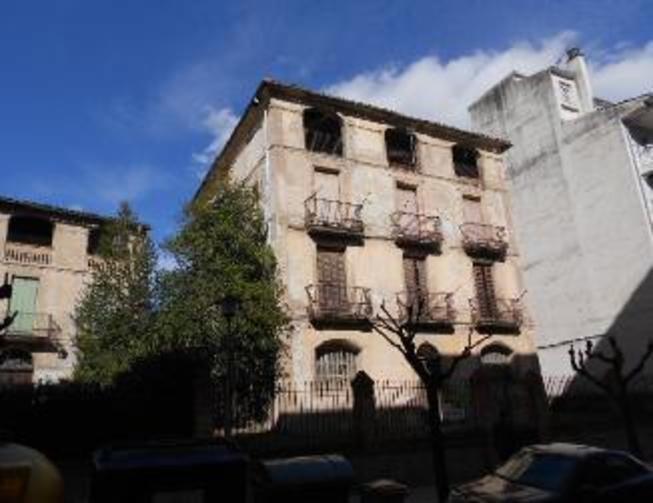
Apartment
99/100- Price
- €49,000
- Valuation
- €102,038
Yield12.3%
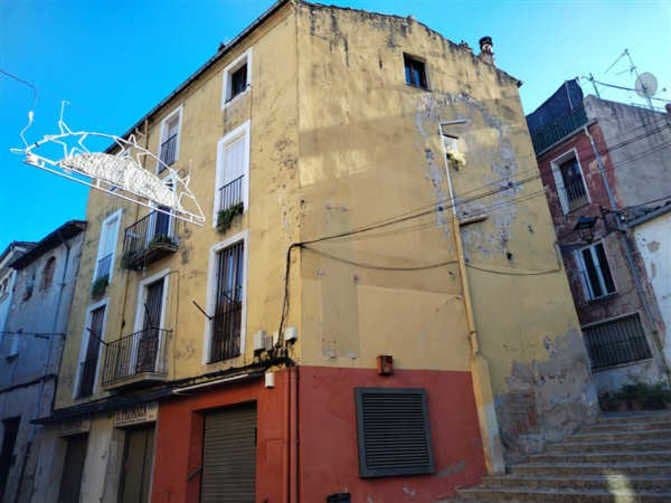
Apartment
98/100- Price
- €54,200
- Valuation
- €125,586
Yield16.5%
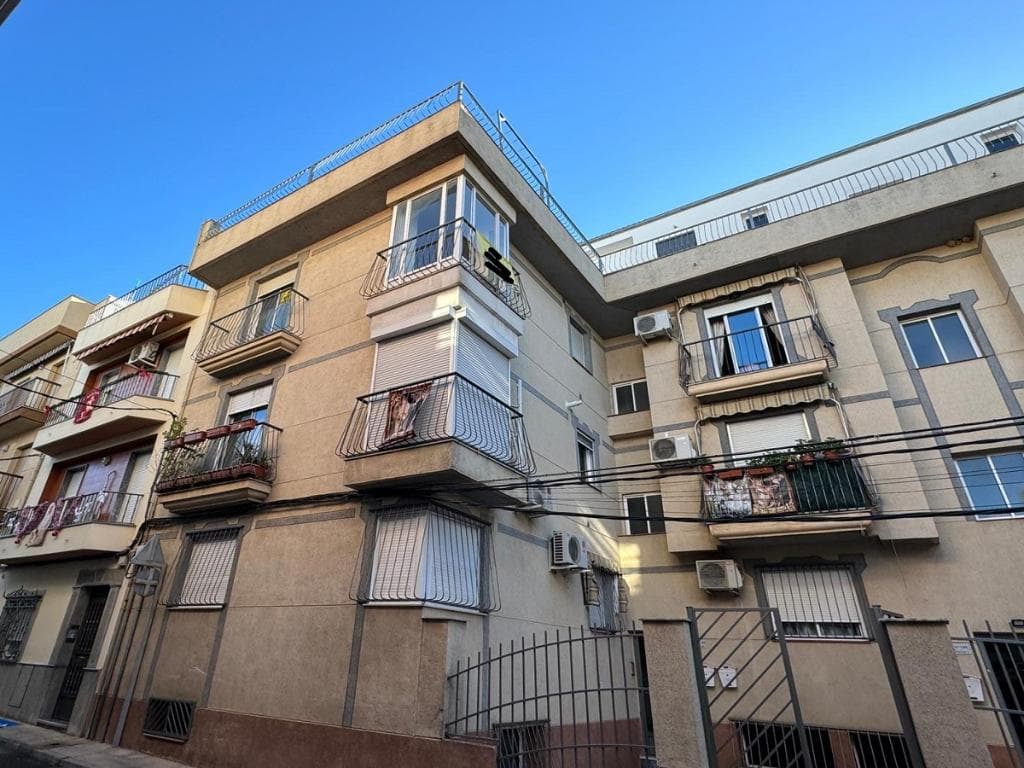
Apartment
96/100- Price
- €67,000
- Valuation
- €107,714
Yield9.3%
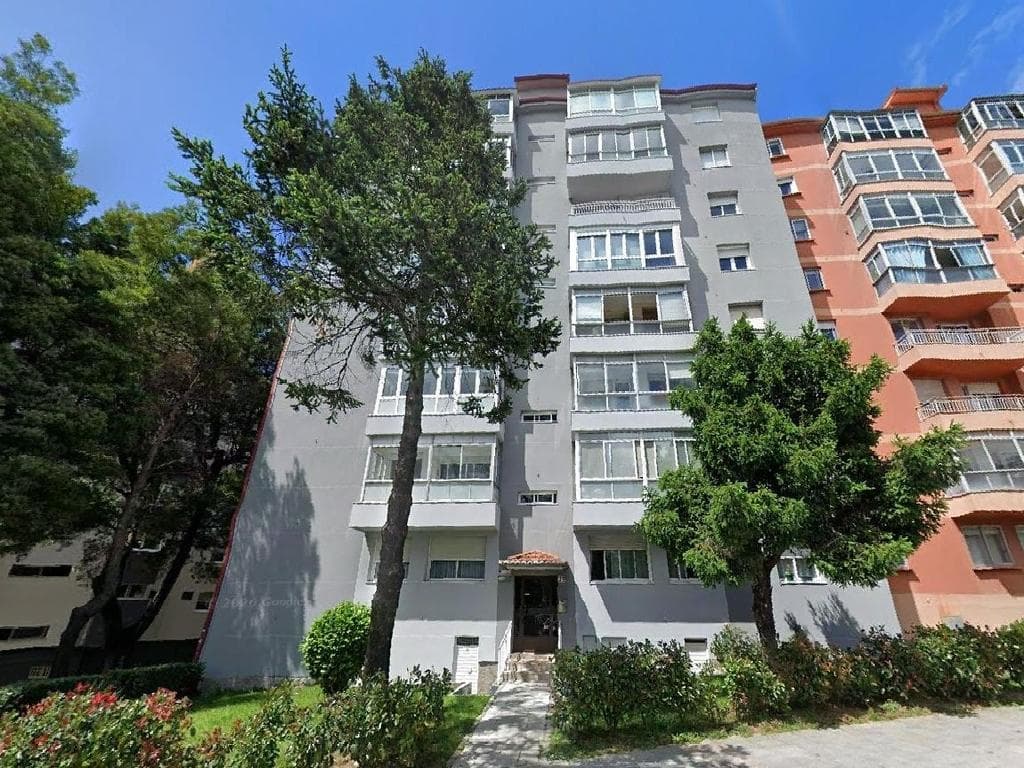
Apartment
95/100- Price
- €38,000
- Valuation
- €95,638
Yield—
Buy with data, not gut feeling
RadarPro combines algorithmic calculations and artificial intelligence to analyse the market and spot the best property opportunities.
Create a free account →
